
What Is Fragrance Maceration? Does Your Perfume Really Need It?
A perfume may change after you buy it, but leaving it untouched is not the same controlled maceration performed during production.
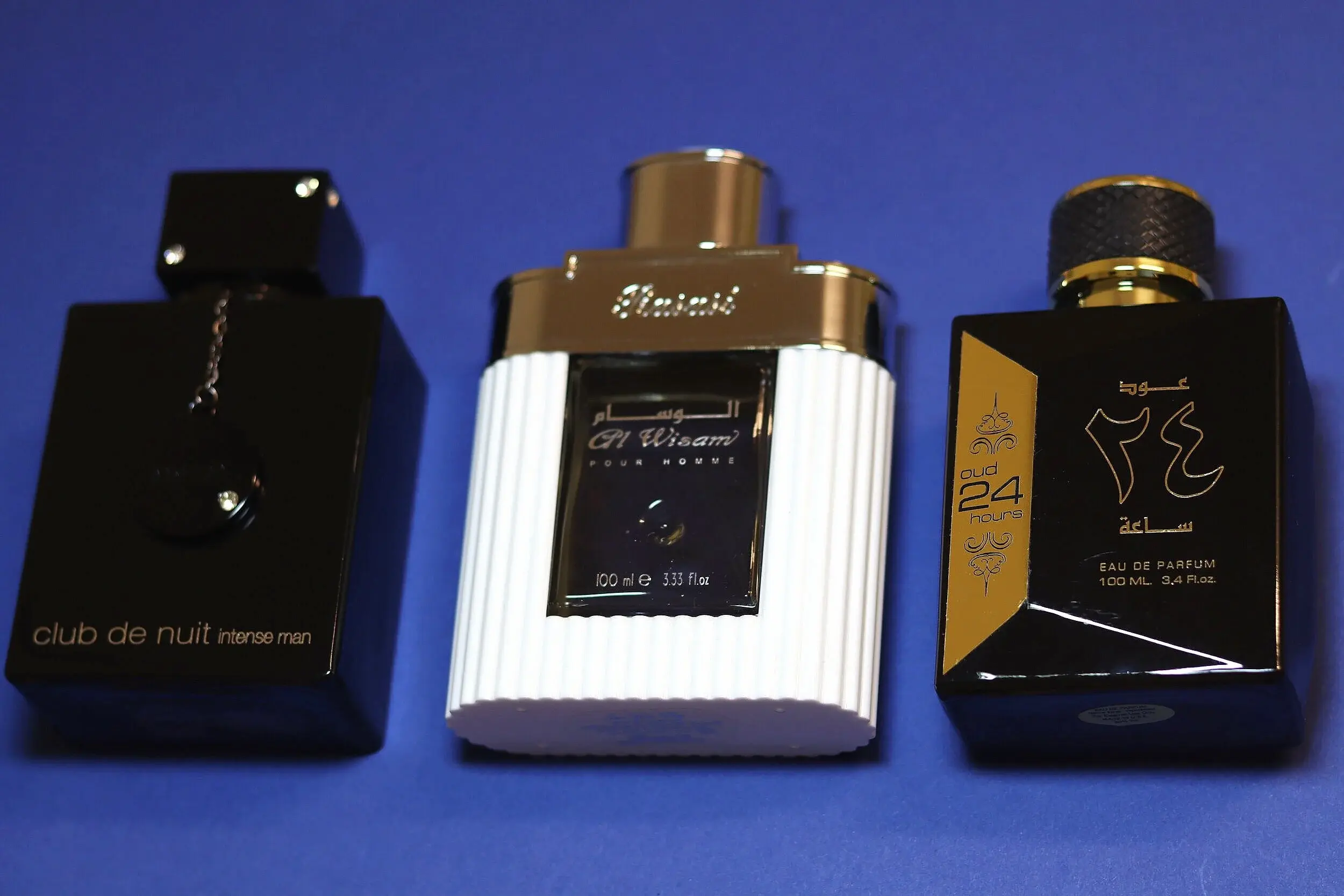
A perfume may change after you buy it, but it is aging, not undergoing the same controlled maceration used by its manufacturer. Waiting can be a useful retest, but it is not a guaranteed performance upgrade.
In perfume production, maceration commonly refers to a controlled resting period after the fragrance concentrate has been diluted in alcohol. This stage helps the mixture become more uniform and stable before the perfume is filtered, packaged, and sold.
Fragrance collectors often use the same word for leaving a purchased bottle untouched for several weeks. However, a finished fragrance sitting in your collection is not undergoing the same controlled production process. It is more accurately described as aging.
A fragrance may change as it ages, but leaving it in a drawer does not guarantee that it will become smoother, stronger, or longer-lasting.
What does maceration mean in perfumery?
During fragrance production, aromatic materials are blended into a concentrate and eventually diluted with a solvent, usually alcohol. The diluted mixture may then be allowed to rest under controlled conditions.
This resting period can help the materials dissolve and distribute more evenly. Depending on the manufacturer, the perfume may later be chilled and filtered to remove sediment or materials that could make the liquid appear cloudy.
The purpose is to produce a stable and consistent fragrance. Maceration does not add more fragrance oil or increase the concentration of the formula.
The term also has an older and broader meaning. In some contexts, maceration describes soaking plant material in a solvent to extract aromatic compounds. When fragrance collectors discuss whether a new bottle “needs to macerate,” however, they are usually referring to the resting stage used in modern perfume production.
Maceration, maturation, and aging are different processes
The terms maceration, maturation, and aging are often used interchangeably, but they do not always describe the same stage.
- Maturation generally refers to resting the fragrance concentrate or blended aromatic materials before dilution.
- Maceration commonly refers to resting the fragrance after the concentrate has been diluted in alcohol.
- Aging describes the gradual changes that can occur in a finished, bottled fragrance over time.
This terminology is not completely standardized. Some manufacturers and perfume professionals use maceration and maturation differently or use one term for the entire resting process.
The most useful distinction is between controlled production before the fragrance is sold and uncontrolled aging after the customer receives it. Perfumers interviewed by Allure similarly distinguished professional maceration and maturation from the aging that happens inside a consumer’s bottle.
Can a perfume change after you buy it?
Yes. A bottled fragrance can gradually change, especially after it has been opened and sprayed.
Possible influences include:
- Exposure to oxygen
- Heat and temperature fluctuations
- Direct or prolonged light exposure
- Slow evaporation of volatile materials
- Natural changes in some fragrance ingredients
These changes may affect the fragrance’s color, opening, balance, or perceived strength. They do not necessarily represent an improvement.
A fragrance may seem smoother or more balanced after several weeks. It may also remain almost identical. Over a longer period, particularly when stored poorly, it can lose part of its original character or develop an unpleasant smell.
Why do people say clone fragrances need to macerate?
Claims about at-home maceration are especially common with clone and inspired fragrances.
A typical story follows the same pattern: someone receives a new bottle, finds the opening harsh or the performance disappointing, sprays it several times, leaves it unused for a few weeks, and later believes it smells better.
The change may be real, but several explanations are possible.
The fragrance continued to age
A recently produced or bottled fragrance may continue changing during storage and transportation. Its balance could shift over time, although the buyer usually does not know when the bottle was manufactured, filled, or shipped.
More air entered the bottle
Spraying creates additional empty space inside the bottle, which is filled with air. Oxygen may contribute to gradual changes, but there is limited evidence that intentionally introducing air produces a predictable or beneficial result.
There is also no established number of sprays that will cause a fragrance to improve.
The wearer became more familiar with the scent
First impressions are not always reliable. An unfamiliar note may initially seem unusually sharp, sweet, smoky, or synthetic because it attracts most of the wearer’s attention.
After several wearings, the fragrance can seem more balanced because the wearer better understands its development and knows what to expect.
The testing conditions changed
Fragrance performance can be affected by:
- Temperature and humidity
- Application amount
- Application location
- Skin condition
- Clothing
- Olfactory fatigue
- The surrounding environment
A fragrance tested several weeks later under different conditions may appear stronger even when the liquid itself has changed very little.
For these reasons, a report that a fragrance “needed two months of maceration” should be treated as one person’s observation, not a universal instruction.
Does aging make perfume last longer?
Not reliably.
Professional maceration can help a manufacturer create a stable and consistent fragrance, but it does not increase the amount of aromatic concentrate already included in the formula.
A purchased fragrance may seem stronger after aging if its balance changes. For example, when lighter materials become less prominent, heavier base notes may become easier to notice. That does not necessarily prove that the fragrance now lasts longer or projects farther.
Longevity and projection can also vary based on skin, climate, application, storage, and individual perception. Community performance ratings can provide useful context, but they should not be treated as guarantees.
Should you leave a new perfume unused?
You generally do not need to store every new fragrance for several weeks before wearing it.
When a bottle arrives:
- Let it return to room temperature if it was exposed to extreme heat or cold during shipping.
- Test it on more than one day.
- Wear it under normal conditions rather than judging it from a single spray or paper strip.
- Pay attention to the opening, drydown, longevity, and projection.
- Revisit it after a few weeks when the first result seems unusually harsh, weak, or unbalanced.
Waiting is unlikely to harm a properly stored fragrance, but it should be treated as another test rather than a guaranteed solution.
A fragrance that consistently smells unpleasant or performs below your expectations may simply not suit you. Time cannot correct every formula or turn every weak-performing fragrance into a strong one.
How to store a fragrance while it ages
Store fragrance somewhere cool, dry, dark, and reasonably stable.
Suitable locations may include:
- A bedroom drawer
- A closed cabinet
- A closet
- The fragrance’s original box
Avoid storing perfume:
- On a sunny windowsill
- Inside a hot vehicle
- Next to a heater or air-conditioning vent
- In a bathroom with frequent changes in heat and humidity
Keeping the bottle in its original box can reduce light exposure, although the box is unnecessary when the surrounding area is already dark.
Refrigeration is usually not needed. Stable, moderate conditions are more important than keeping the bottle as cold as possible.
Does darker perfume mean it has improved?
No. A darker color does not prove that a fragrance has become stronger, smoother, or longer-lasting.
Some fragrance materials naturally change color over time. Vanillin, which is associated with vanilla-like scents, is particularly known for darkening fragrance liquid.
Perfumers consulted by Allure noted that this type of color change can occur without a matching improvement in scent quality or performance.
Judge the fragrance by how it smells and performs rather than by the color of the liquid alone.
Can perfume go bad while aging?
Perfume is generally stable, but it can deteriorate over time, especially when repeatedly exposed to heat, sunlight, or major temperature changes.
Possible warning signs include:
- A clearly sour, metallic, or otherwise unfamiliar smell
- A major loss of the fragrance’s original character
- Leakage, atomizer failure, or visible bottle damage
- Unexpected skin irritation
A small color change by itself does not necessarily mean that a perfume has spoiled.
Stop applying a fragrance when it causes unexpected irritation. Packaging damage and skin reactions should be treated separately from whether the scent itself has aged well.
How FragIndex data can help you evaluate performance
Before assuming that a fragrance needs more time, compare your experience with its community performance data on FragIndex.
Longevity and projection ratings can show whether other voters also consider the fragrance weak, moderate, strong, or very strong. Similarity ratings can help show whether a clone is generally perceived as close to its original fragrance.
Vote count matters. A rating based on only a few votes should be treated as preliminary and may change as more people contribute.
FragIndex data cannot determine whether your individual bottle will improve, but it can provide more context than a single wear or an isolated online comment.
Use FragIndex fragrance search to view fragrance notes, accords, longevity, projection, and community ratings. You can also browse the FragIndex clone database to find inspired alternatives and compare them with their original fragrances.
The practical answer
Maceration is a legitimate stage of perfume production, but the word is often used inaccurately in fragrance communities.
Once a finished fragrance has been bottled and purchased, leaving it unused is better described as aging. The fragrance may change, and some wearers may prefer the result, but improvement is not guaranteed.
When a new fragrance seems unusually harsh, weak, or unbalanced, test it several times under comparable conditions. Revisiting it after a few weeks can be reasonable. Treating a long waiting period as mandatory for every perfume, especially every clone or Middle Eastern fragrance, is not supported by the limited information available to consumers.
Frequently asked questions
How long should I let a new perfume sit?
A finished fragrance does not require at-home maceration. If its first performance seems unusual, retesting it after a few weeks can show whether the fragrance or your perception of it has changed. There is no universal waiting period.
Should I spray a fragrance before leaving it to age?
Some collectors spray a bottle several times before storing it to introduce more air. Oxygen may contribute to gradual aging, but there is no established number of sprays that guarantees a better scent or stronger performance.
Do clone or Middle Eastern fragrances need more time?
There is not enough evidence to apply that rule to an entire fragrance category or region. Manufacturing schedules, formulas, storage conditions, shipping conditions, and bottle age vary between individual products.
Source and further reading
Mary Honkus, “My Perfume Changed Color, and Now It Smells Even Better”, Allure, April 3, 2026.