When Should You Buy the Clone Instead of the Original?
The clone is not automatically the better value, and the original is not automatically the better fragrance. The right choice depends on what you would actually be giving up.
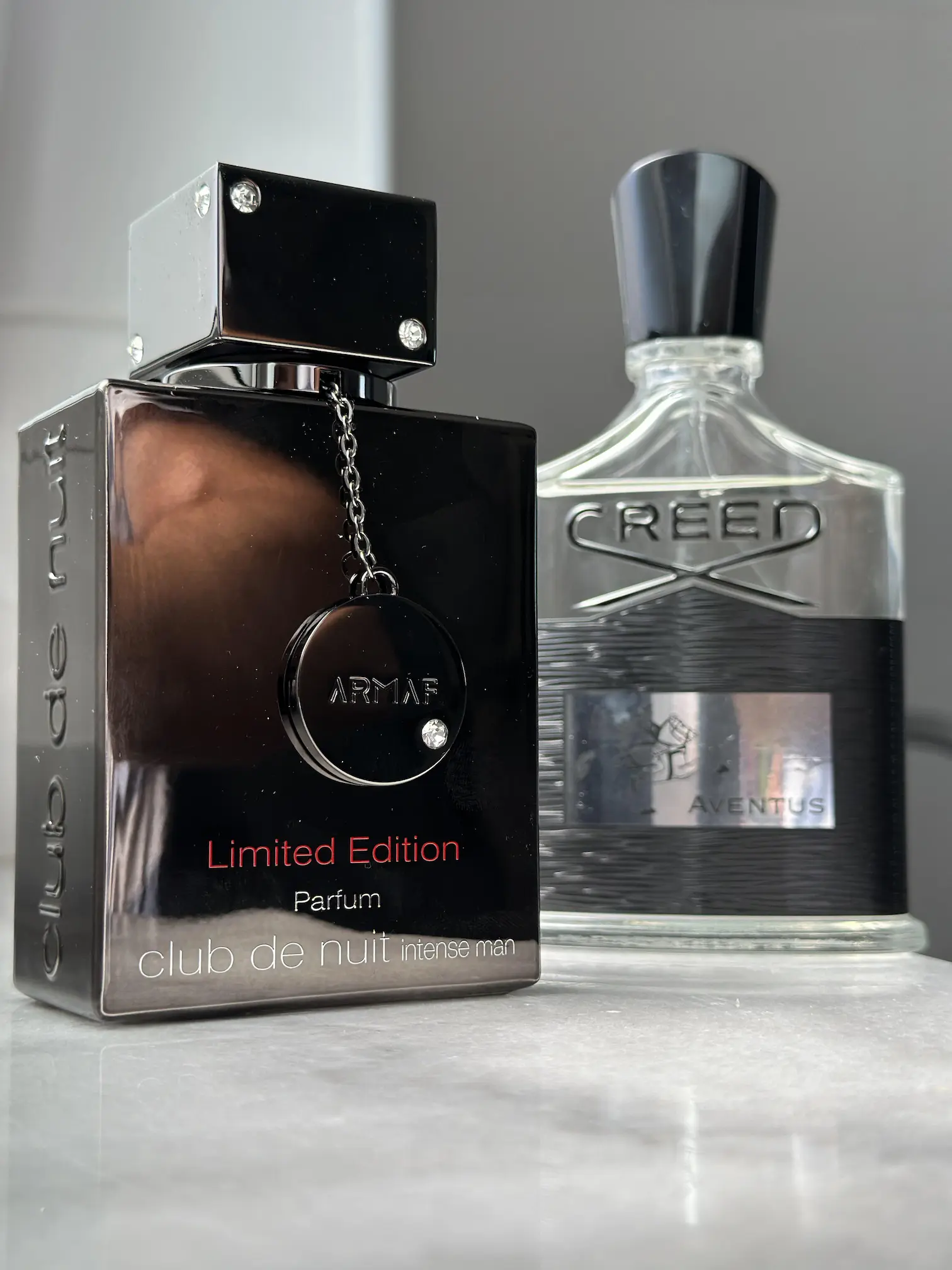
You should consider buying the clone instead of the original when it gives you the parts of the fragrance you actually care about without asking you to pay more for differences that do not matter to you.
That could mean a sufficiently close scent, performance you prefer, easier availability, or an interpretation of the original that you actually like more.
A clone is not automatically the smarter purchase because it costs less. The original is not automatically the better fragrance because it came first.
The more useful question is:
What are you giving up by choosing the clone, and do those differences matter to you?
For some fragrance pairs, the differences may be small enough that the clone makes more sense. For others, those differences may be exactly what makes the original worth owning.
Buy the clone when the scent is close enough for you
For many buyers, similarity is the most important factor.
A good clone may reproduce:
- The original’s dominant accords
- Its recognizable opening
- A similar drydown
- The balance of sweetness, freshness, woods, spice, or amber
- The overall scent profile associated with the original
It does not need to be identical to be a useful alternative.
What matters is whether the differences affect the parts of the fragrance you actually enjoy.
For example, a clone might have a sharper opening but settle into a drydown that is very close to the original. If you mainly care about how the fragrance smells for the next several hours, that opening difference may not matter much.
Another clone may reproduce the first few minutes almost perfectly but become noticeably sweeter or woodier later. That may be a bigger compromise for someone who loves the original’s drydown.
Similarity is therefore more useful when you know where the fragrances differ rather than relying on one percentage alone.
Use similarity scores as a starting point
FragIndex similarity scores reflect how closely community voters believe a clone resembles its original in scent.
A higher score generally indicates a closer perceived match, which can be useful when several clones are connected to the same original.
But the score should always be considered alongside its vote count.
An 89% similarity score based on four votes is less established than an 86% score supported by a much larger sample. With limited data, a few new ratings can change the average significantly.
Similarity also answers only one question.
It does not tell you whether the clone:
- Lasts longer
- Projects more strongly
- Smells better to you
- Costs less
- Is easier to find
- Has the development you prefer
Treat the score as evidence about closeness, not a universal ranking of which fragrance is better.
Buy the clone when its differences do not matter to you
Even close clones can differ in noticeable ways.
A clone may be:
- Sweeter
- Fresher
- Sharper in the opening
- Heavier in the base
- More linear
- More musky or woody
- Less complex
- Stronger or softer in projection
Those differences are not automatically disadvantages.
Someone who values the original’s detailed opening may strongly prefer it. Someone who mainly enjoys the drydown may barely notice the compromise.
This is also why saying that a clone is “90% similar” does not tell the entire story.
The missing 10% may be irrelevant to one buyer and the most important part of the fragrance to another.
Buy the clone when you prefer its performance
Similarity and performance should be evaluated separately.
A clone may:
- Last longer
- Fade sooner
- Project more strongly
- Stay closer to the skin
- Maintain its base for longer
- Have a louder opening
Different performance does not make the clone more or less accurate by itself.
Someone who enjoys the original scent but wishes it projected more strongly may prefer a more noticeable clone. Another buyer may prefer a softer interpretation for work or close spaces.
On FragIndex:
- Similarity describes perceived scent resemblance.
- Longevity describes how long the fragrance remains detectable.
- Projection describes how far it radiates from the wearer.
The closest clone is not necessarily the one with the performance you prefer.
Buy the clone when you prefer the changes it makes
Not every buyer needs an exact replacement.
Sometimes a clone is appealing because it changes the original in a direction the buyer prefers.
It might make the scent:
- Fresher
- Sweeter
- Darker
- More woody
- Less smoky
- More fruit-forward
- More direct
- Easier to wear
In that situation, a slightly lower similarity score may not be a disadvantage.
A clone that changes one part of the original while preserving the overall character can be the better choice for someone who prefers that interpretation.
This is why the closest clone and the best clone for you are not always the same fragrance.
Buy the clone when availability favors it
Availability can also affect the decision.
An original may be discontinued, difficult to sample, restricted to certain markets, or simply inconvenient to purchase where you live.
A clone or inspired alternative may be easier to obtain.
That does not make it a better fragrance, but availability is part of practical value.
Because stock and distribution change over time, availability should be checked using current retailer or brand information rather than assumed from older comparisons.
Buy the clone when the original's price premium is not worth it to you
Many clones are positioned below their reference fragrances in price.
The important question is not simply whether the clone costs less. It is what you receive by paying more for the original.
That might include:
- A scent profile you prefer
- A smoother opening
- More detailed development
- A specific drydown
- Packaging and presentation
- Brand identity
- Owning the original fragrance itself
For some buyers, those differences justify the additional cost.
For others, the scent is overwhelmingly the priority. If the clone already delivers the part you care about most, the original may provide relatively little additional value to you.
Exact prices change frequently, so price comparisons should use current, verified information rather than fixed assumptions.
Do not buy the clone just because it is cheaper
Lower price and better value are not the same thing.
A clone can still be poor value if:
- You dislike how it smells
- Its similarity is disappointing
- The opening bothers you
- You prefer the original every time you compare them
- You rarely wear the clone
- You eventually buy the original anyway
Buying several alternatives while searching for a perfect substitute can eventually cost more than buying the fragrance you wanted in the first place.
If you already know that small differences bother you and consistently prefer the original, choosing the clone only because it costs less may not make sense.
Buy the original when its specific scent is what you want
Sometimes the answer is simple: you want the original.
A clone can be objectively close while missing the details that made you like the fragrance in the first place.
Those differences may involve:
- A particular opening accord
- The transition into the heart
- The balance between sweetness and freshness
- A specific woody, musky, or amber drydown
- Texture
- Overall smoothness
- Development throughout the wear
If those characteristics matter to you, a close approximation may still feel like a compromise.
This is especially relevant for someone who already knows the original well.
Buy the original when clones keep missing the same detail
Several clones of one fragrance may reproduce the same recognizable elements while struggling to capture another part of the scent.
Perhaps they all get the opening right but become too sweet later. Maybe they capture the dominant accord but lose a supporting note or texture that you particularly enjoy.
If you keep noticing the same missing element across multiple clones, that is a strong reason to consider the original.
A high similarity score cannot make an irrelevant difference important, and it cannot make an important difference irrelevant.
Your preference still matters.
Buy the original when owning the original matters to you
Not every fragrance purchase is based only on smell and performance.
Some buyers also value:
- Bottle design
- Packaging
- Collecting
- Brand history
- Owning the particular fragrance
- The overall presentation
These factors are separate from scent similarity, but they are still part of the buying decision.
A clone can reproduce much of a scent profile without reproducing the experience of owning the original product.
FragIndex focuses primarily on fragrance data and scent relationships, so these personal considerations cannot be reduced to a similarity score.
Do not assume stronger performance means better value
A clone can outlast or out-project its original. The reverse can also happen.
Neither result automatically makes one fragrance better.
Strong projection may be useful when you want a noticeable scent, but less desirable for:
- Offices
- Classrooms
- Close seating
- Hot weather
- Situations where subtle fragrance is preferred
Longer longevity can be convenient, but it does not make the scent itself more accurate or enjoyable.
Think about the performance you actually want instead of treating stronger as automatically better.
Compare the full fragrance before deciding
When possible, compare the clone and original through more than the first few minutes.
Opening
How similar are they immediately after spraying?
Look for differences in freshness, fruit, citrus, spice, sweetness, or sharpness.
Heart and development
Does the clone continue in the same direction after the opening fades?
This can reveal whether the resemblance extends beyond the most recognizable first impression.
Drydown
Do both fragrances settle into a similar combination of woods, musk, amber, vanilla, smoke, or other longer-lasting effects?
Because the drydown represents much of the wear, differences here can be especially important.
Performance
Compare longevity and projection separately from scent similarity.
A stronger clone is not necessarily a closer clone.
A simple way to choose between the clone and original
Instead of asking whether clones or originals are better in general, evaluate the specific pair.
Ask yourself:
-
Is the clone close enough for me?
Check the similarity rating, vote count, and where the main scent differences appear. -
Do I prefer either fragrance's performance?
Compare longevity and projection separately from similarity. -
Do the clone's differences bother me?
A different opening or drydown matters only if it changes what you enjoy. -
What is the current price difference?
Verify current prices rather than relying on old comparisons. -
What does the original give me that the clone does not?
That might be scent detail, presentation, collectibility, or simply the exact fragrance you prefer. -
Would I still want the original after buying the clone?
If the answer is clearly yes, the clone may only delay the purchase you actually want.
There is no universal winner.
The better purchase is the one that gives you the characteristics you value without making you pay for differences you do not.
How FragIndex can help you decide
The FragIndex clone index organizes originals with documented clone relationships.
Individual “clones of” pages bring several alternatives together around the same reference fragrance. Depending on the available community data, you can compare:
- Similarity
- Similarity vote counts
- Scent ratings
- Longevity
- Projection
- Notes
- Main accords
For example:
- Clones of Creed Aventus
- Clones of Baccarat Rouge 540
- Clones of Dior Sauvage Eau de Parfum
- Clones of Parfums de Marly Layton
When you have narrowed the choice to two fragrances, use FragIndex's comparison tool to review their notes, accords, similarity, longevity, projection, and community ratings side by side.
The practical answer
Buy the clone when it gives you the parts of the original you care about and the remaining differences are not worth paying more to avoid.
The clone may make more sense when:
- It is sufficiently close for your preferences
- You prefer its performance
- You prefer the changes it makes
- It is easier to obtain
- The original's additional cost does not give you anything you particularly value
Buy the original when the differences are exactly what make you like the fragrance, or when you know that you will still want the original even after buying an alternative.
Neither option is automatically smarter.
Compare similarity, performance, price, availability, and your own priorities as separate factors. That gives you a much better answer than simply asking whether the clone is cheaper or the original is better.
Browse the FragIndex clone index to find alternatives, then use the available similarity scores, vote counts, longevity, and projection data to narrow down which fragrances are actually worth comparing.
Frequently asked questions
Is it always better to buy the clone if it is cheaper?
No. A lower price does not automatically make a clone the better purchase. Similarity, performance, scent differences, availability, and how much you value the original should all factor into the decision.
How similar should a clone be before choosing it over the original?
There is no universal cutoff. If scent accuracy is your priority, consider both the similarity score and the number of votes supporting it, then look at where the clone actually differs from the original.
Can a clone perform better than the original?
Yes. A clone can have different longevity or projection because it uses its own formula and balance. Stronger performance does not automatically mean greater scent similarity or better overall quality.
When is the original still worth buying?
The original may make more sense when you prefer its specific opening, drydown, balance, development, presentation, or simply want the original product rather than an approximation.
Should I compare the clone and original before buying?
When possible, yes. Comparing both under similar conditions can reveal differences in the opening, drydown, balance, longevity, and projection that may not be obvious from ratings or note lists alone.